
America Turns 250
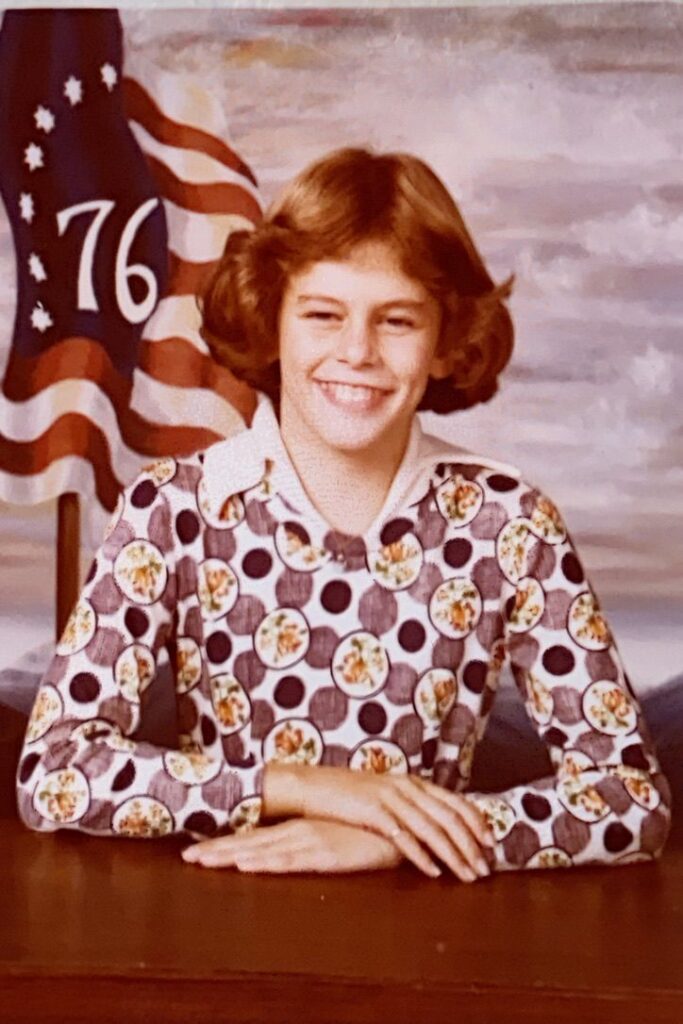
America turns 250 today. Fifty years ago, when our country celebrated its Bicentennial, I was 11 years old. I had no idea how much could change in 50 years. The Bicentennial was one of the happiest days of my childhood. The world, or at least my little corner of it, seemed full of promise. The year before, I met a grandmother I never knew existed. She bought a house in northeast Baltimore City, and all 7 of us moved in with her. We traded a concrete backyard for a patch of grass. It wasn’t much, but it felt like we’d made it. My mother had helped a local politician, George Santoni, get elected. She became his campaign manager and business partner. Our fortunes were finally turning around. On July 4, 1976, I was wearing a peach-colored skort and a sleeveless white T-shirt. I remember it because that was one of the very few outfits I owned that hadn’t belonged to someone else first. In our little backyard, beneath the only alley tree on the block, a row of aluminum folding chairs was lined up in the shade. My parents sat there with George, talking while we celebrated America’s 200th birthday. What I remember most was feeling…normal. Maybe for the first time. Two months later, I’d leave Baltimore City Public Schools and start St. Matthew’s. For an eleven-year-old, it felt like life was moving in the right direction. Then, just three months later, everything changed. “George Santoni Indicted” filled the front page of The Baltimore Sun. The stability we thought we’d found disappeared almost overnight. If someone had told that little girl what the next fifty years would bring, she never would have believed them. She wouldn’t have believed she’d leave home at eighteen with everything she owned in a white plastic trash bag. She wouldn’t have believed she’d live out of her car, earn an MBA without finishing high school or college, build venture-backed companies, serve in public office, or spend nineteen years fighting for justice before seeing the man who raped her finally held accountable. She wouldn’t have believed that some of the hardest chapters would become the foundation for helping other people navigate theirs. Life didn’t unfold the way I hoped it would. It unfolded in ways I never could have imagined. As America celebrates 250 years, we’re reminded that progress is rarely a straight line. There are moments of optimism, moments of heartbreak, setbacks that make us question everything, and opportunities we never see coming. I’ve experienced injustice. I’ve also experienced opportunities beyond anything that eleven-year-old girl could have imagined. Both things are true. But my story is only possible because I was born here. That doesn’t mean success was guaranteed. It wasn’t. Every opportunity had to be earned, and many came only after setbacks that were unimaginable. Looking back, I realize none of the best chapters of my life seemed possible from where I started. That’s true for people. And for our country, too.
Taking Risks
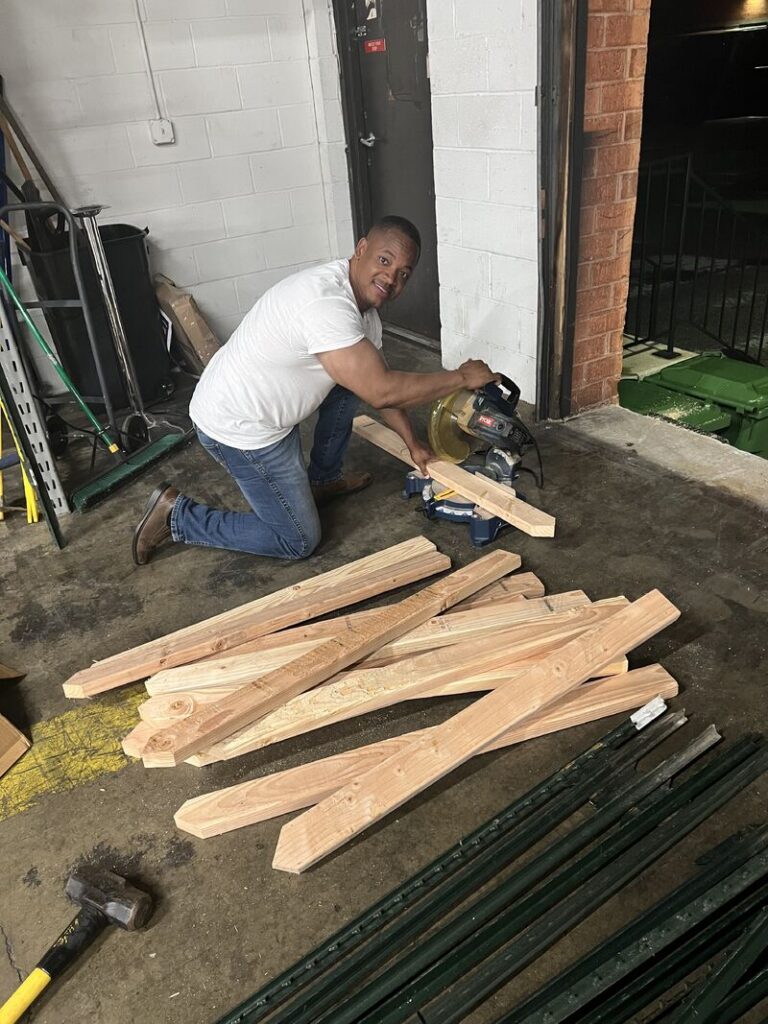
There is no shortage of messages telling us that hard work pays off.And often, it does. But here’s the lesson we don’t talk about enough:Sometimes you can do everything right…and still lose. I was reminded of that this week. Years ago, I applied to an MBA program without finishing high school or college. I eventually earned my GED, but on paper, I obviously wasn’t the kind of candidate they were looking for. Before they would even consider me, they laid out a long list of requirements. A high score on the GMAT. Strong recommendations. Support from my employer. None of it guaranteed I’d be accepted. I had to decide whether I was willing to do the work without knowing the outcome. The answer was a definitely yes. Fortunately, I got in. But life doesn’t always end that way. This week I watched a friend give everything he had to a campaign that meant the world to him. This photo has stayed with me. Here is Pete Smith, cutting lumber to build his own campaign signs. After more than a year of campaigning, working from morning until midnight, and pouring everything he had into the race… He lost. I’ve rarely seen someone work harder for a goal. And that’s the hard part. Sometimes there isn’t a lesson wrapped neatly in a bow. Sometimes it just hurts. But I’ve also learned this:The people who accomplish meaningful things aren’t the people who know they’re going to win. They’re the people who decide the goal is worth pursuing even when they might lose. That’s the part we control. We don’t control admissions committees. We don’t control elections. We don’t control investors, hiring managers, customers, or voters. We control whether we’re willing to pursue something that matters without any guarantee of success. Every meaningful thing I’ve done in my life came with the possibility of failure. Some worked. Some didn’t. But every opportunity I have today exists because I was willing to say “yes” to the possibility of hearing “no.” The biggest dreams don’t come with guarantees. They come with a decision.
Chairing A Gala
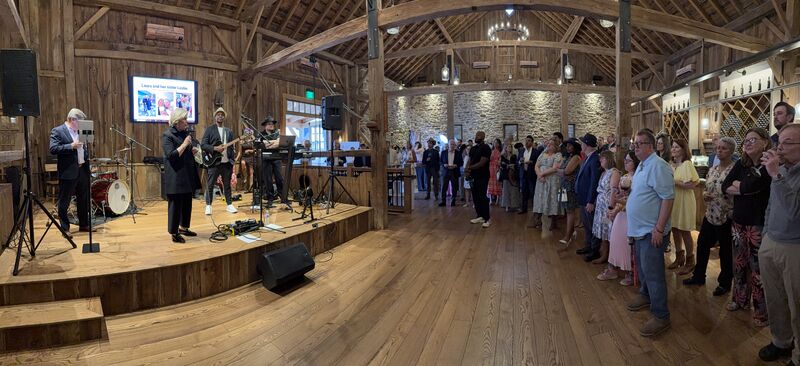
I never thought I’d see the day when I’d be asked to chair a gala. Truthfully, I didn’t even know what a gala was when I was growing up. I was heads-down for years trying to build a career and life for myself. Giving back wasn’t something I knew much about because, frankly, nobody had ever taught me. It wasn’t until years later that a financial advisor started explaining philanthropy to me. Apparently there are all kinds of ways to support organizations beyond writing a check. Who knew? I certainly didn’t. Over time, I learned that success isn’t just about what you build for yourself. It’s also about what you do for others. That’s why advocacy is one of my five principles for success. First, advocate for yourself. Then use your voice to advocate for others. A few years ago, I was asked to join the Advisory Board of Richcroft, the organization that supports my sister, Leslie. I’ve attended their events for the last two years and watched firsthand the impact they have on her life. Then came a call I never expected: Would I chair the annual gala? I had previously been asked by Center for Hope and wasn’t sure I was prepared. In fact, I wasn’t sure I was qualified. But I was honored. Standing on stage and sharing why Richcroft matters to me was one of the most meaningful experiences I’ve had. Because of Richcroft, Leslie is living her best life. She’s visiting places she never would have experienced before—Hershey Park, National Harbor, Ocean City, Deep Creek Lake, Atlantic City, and countless local adventures. She’s doing her own laundry. Playing bingo. Exercising at The League for People with Disabilities. Spending time with her roommates, who have become like family. Most importantly, she’s living a fuller, richer, more independent life. That’s what Richcroft makes possible every day…not just for Leslie, but for hundreds of families. The gala raised $125,000 this year. The credit belongs to the incredible Barbara Moyer, Dotty Raynor, the Richcroft Inc team, volunteers, sponsors, and everyone who contributed to the evening’s success. A special thanks to Barry and Renee Gordon. It was an unforgettable night, and I am grateful to have been part of it. I hope you’ll join us next year.
Political Office
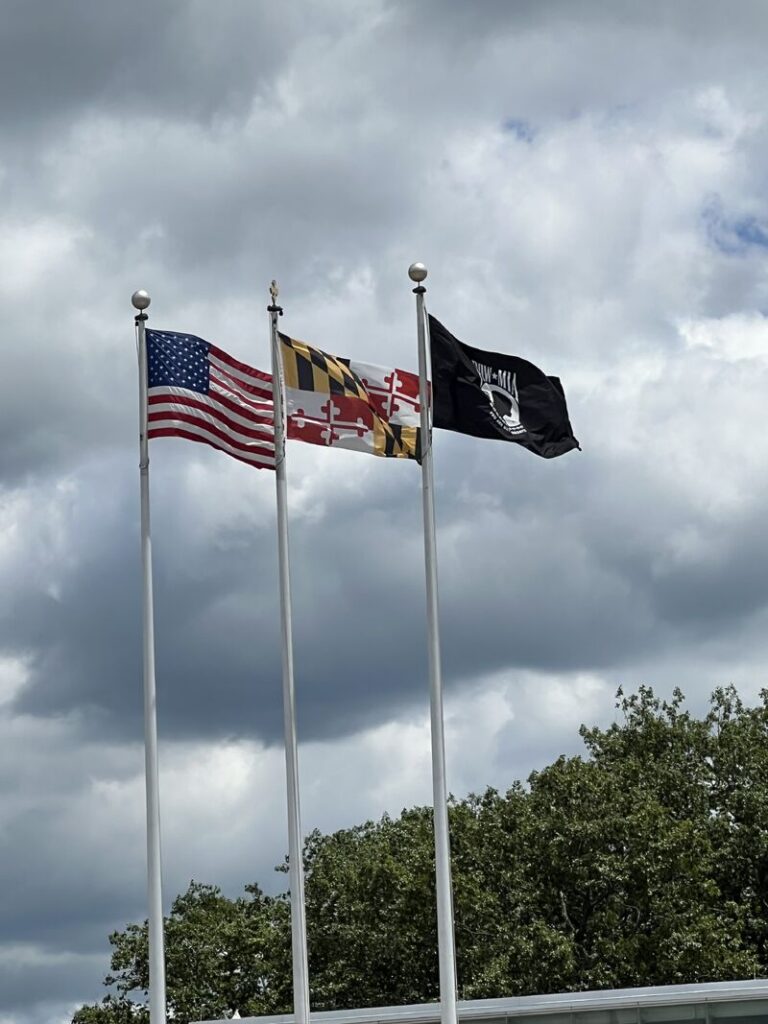
When people who have held public office talk about their time in office, we often talk about what we accomplished. The budgets we balanced.The projects we funded.The crises we managed. And those things matter. They affect real people’s lives. But looking back, I think we should spend more time talking about what we learned. Because the most lasting impact of my time as Anne Arundel County Executive wasn’t a line item in a budget or a ribbon cutting. It was what my community taught me. Today, I stopped at a rest area and looked up at the POW/MIA flag.In an instant, I was transported back to one of the most meaningful moments of my administration. Early in my time as County Executive, Dave Cordle taught me the significance of that flag and the promise it represents: that those who served our country and never came home will not be forgotten. Together, we created a ceremony recognizing National POW/MIA Recognition Day in Anne Arundel County.It was one of those moments that changes you. Because the truth is, before public service, I never would have known. I spent most of my career in business. I cared deeply about my community, but my focus was on building companies, solving problems, growing organizations, and making payroll. Public service widened my lens. I learned how deeply people care about where they live. I learned that government employees are often some of the hardest-working people you’ll ever meet. I learned that people can look at the same issue and reach entirely different conclusions based on their own experiences. And that communication across those differences matters. I learned that constituent service isn’t a small part of the job; it may be the most important part. People deserve to be heard by those they elect. I learned that one administration can accomplish extraordinary things, and the next can undo them just as quickly, which is why working together matters. Most of all, I learned that communities don’t run because of elected officials. They run because ordinary people show up. They volunteer. They coach. They advocate. They serve on boards. They organize food drives. They check on neighbors. They dedicate themselves to causes larger than themselves. I thought I was there to serve my community. I didn’t expect my community to teach me so much in return. So if you’re a student looking for experience, someone trying to build your résumé, or simply a person wondering how to make a difference, here’s my advice: Get involved. Volunteer for a campaign. Serve on a nonprofit board. Attend a community meeting. Support a cause you care about. Run for office if that’s where your path leads. It doesn’t have to be the perfect candidate or the perfect party. Just participate. Because when you do, you’ll discover things about your community – and yourself – that you never would have learned from the sidelines. hashtag#leadership
When I Became County Executive
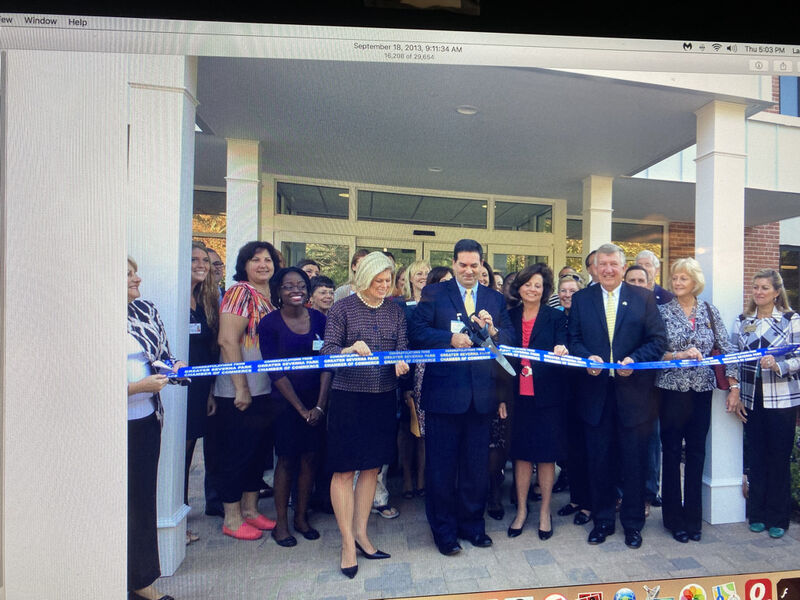
When I became County Executive, I inherited an administration that had damaged public trust. I was sworn in to replace someone who went to jail. My mission was simple: restore integrity and get results. So I approached the job the same way I had approached business. Find good people. Solve problems. Make decisions. Do the work. And we did. We improved the County’s bond rating, immediately saving taxpayers $10 million. We replenished the depleted Rainy Day Fund. We reduced 911 response times by 27%. We tackled difficult issues instead of kicking the can down the road. I tried to make every decision through the lens of what was right for the County, not what was best politically. I hired people because they were qualified. I valued competence. I valued integrity. And because I was determined to restore trust in government, I deliberately made qualifications the priority. What I failed to appreciate was the difference between competence and commitment. Not everyone who is committed to the work is committed to the leader. Not everyone who wants the administration to succeed wants the campaign to succeed. And those are not the same thing. Some people had to leave because they had been part of the problems we were trying to fix. Others left because they weren’t the right fit for where we were headed. When some of those same people later became critics, or supporters of my opponent, I was surprised. Looking back, I shouldn’t have been. I assumed the work would speak for itself. I assumed that if we produced results, treated people fairly, and acted with integrity, loyalty would follow. Sometimes it did. Sometimes it didn’t. That was my blind spot. Leadership isn’t just about producing results. Results earn respect. But relationships, trust, and shared commitment are what carry leaders through the difficult moments. The strongest teams have both. I wish I’d understood that sooner. This is why culture is so important. hashtag#leadership
Going a Long Way
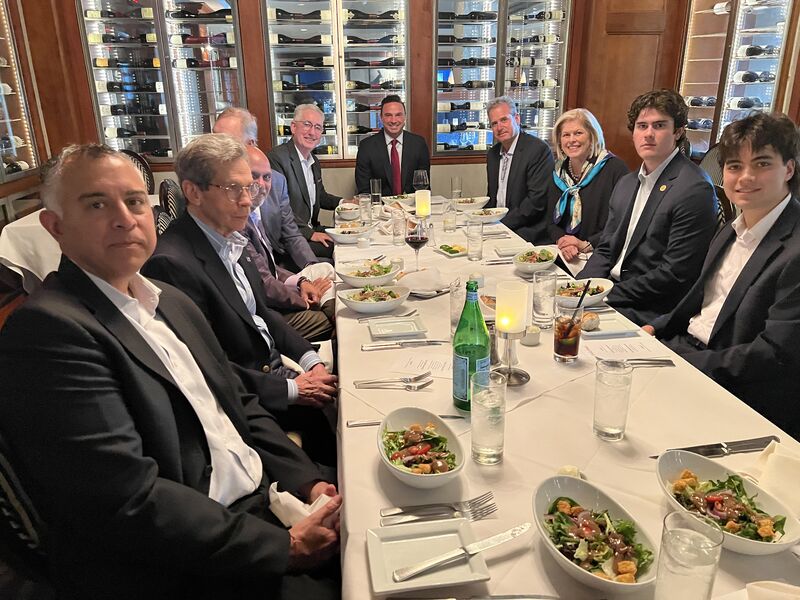
I was at dinner a few nights ago with some impressive colleagues for a presentation on the status of the stock market. Whenever I’m at one of these events, I think to myself, as I’m about to share an incredible meal, “How did I get so lucky to be invited to this?” It wasn’t luck. It was years of non-stop effort, lots of mistakes, too many no’s to count, and a few epic failures. I was focused on the destination but it was the journey that fueled the tears and filled the years. Today, I drove past a beater (if you’ve driven one, you know. the paint is dull, it hangs a little low, and the tires are missing some bounce). They had their flashers on, and were waiting for help. I often stop but couldn’t today. But I never drive by a vehicle like this without remembering when that was me. I’ve had flat tires on the beltway (twice) when I couldn’t afford AAA. I’ve had a fire start in the engine block, just as I was pulling into the dealership. And I’ve run out of gas in the middle of the city (thanks Andrew)! I never forget the distance I’ve traveled from those early days…from not being able to afford gas to a beautiful dinner in a lovely restaurant! This is what might surprise you about the professionals in that room: most of them started in similarly difficult circumstances, or have faced other challenges along the way. It’s important to stay resilient, show up, raise your hand, follow through, and take a few risks. It’s not a straight path but success does happen over time, as long as you’re clear about your direction. Thank you John Yetman for bringing us all together, Wyatt for a great presentation, and Ruth’s Chris Steak House for fantastic service! hashtag#leadership
Today’s Internships are Not Your Parents’ Internships
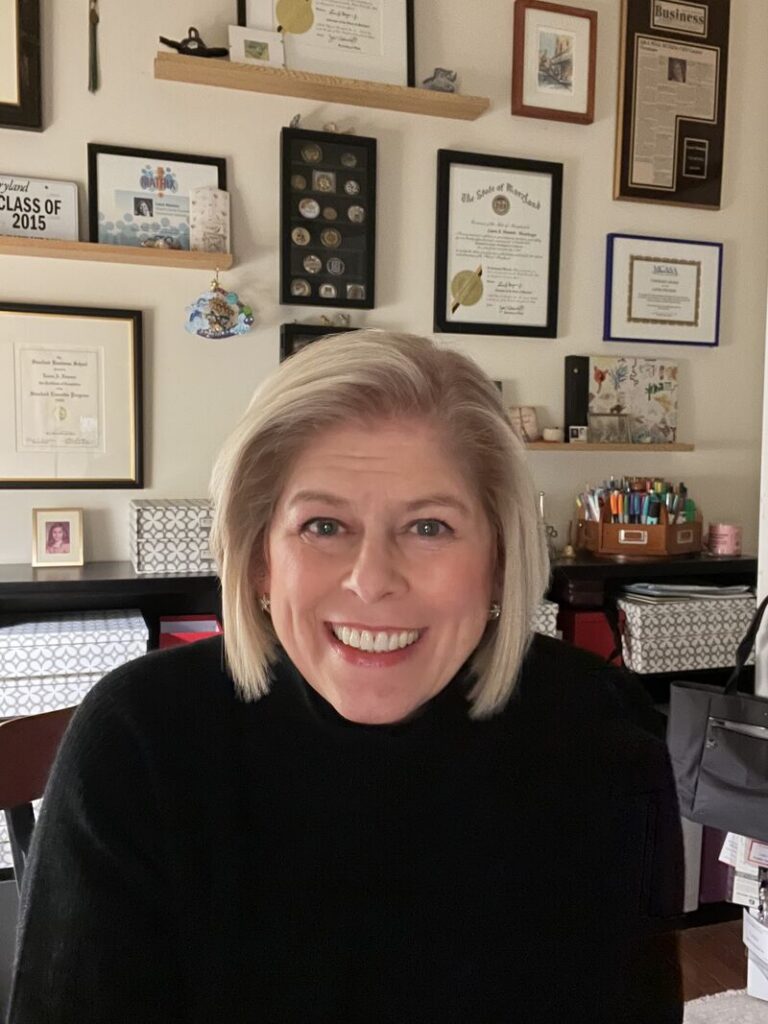
Today’s internships are not your parents’ internships.They’re paid.They come with real expectations. And if we’re being honest, they’re not just extended job interviews anymore. They’re jobs. Over the years, I’ve hired interns, worked with interns, and watched young professionals rise quickly inside organizations. And almost never was it because they were the smartest person in the room. It was because they were dependable.Curious.Communicative.And willing to do more than what was assigned. So if you want that offer at the end of the summer, here’s what employers are actually looking for…beyond your GPA, resume, or technical skills: Show up early. Stay engaged.Be the person people can count on. Have a strong work ethic.This sounds old-fashioned until you’re the only intern willing to do the hard or boring stuff without complaining. Show initiative.Raise your hand.Ask questions.Offer ideas.You bring a different generational perspective to the organization. Use it. Follow through.A lot of people start strong.Very few consistently finish.Be the person who sees the project through from beginning to end — even the small tasks. Communicate.If you’re confused, ask.If you made a mistake, own it.If you’re waiting on something, say so.Silence creates more problems than imperfection ever will. And finally: be a team player.People hire people they want to work with again. The skills that got you in the door are not necessarily the skills that will keep you there. Or lead to the offer. And one more thing:Almost everyone in that office can teach you something, if you’re paying attention. hashtag#leadership
Happy Birthday Edie Fraser!
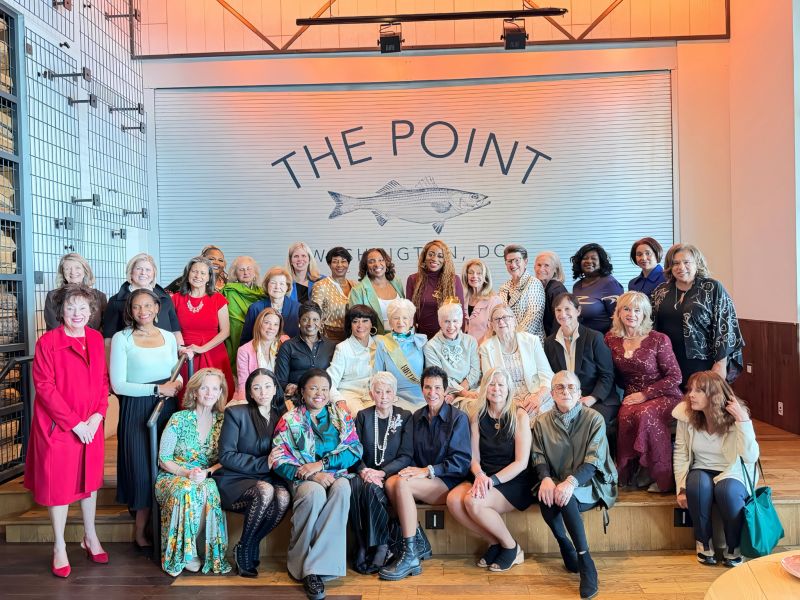
Some people get a birthday. And some get the whole day! I attended two events recently honoring Edie Fraser, on the same day. And it was extraordinary. The first was a women-only birthday celebration at The Point DC, where friends, business leaders, and longtime admirers gathered to celebrate a woman whose impact spans industries, communities, and generations. Later that day, the Interfaith Council of Metropolitan Washington honored her for a lifetime of leadership and service. Both events were filled with remarkable people. Leaders. Builders. Philanthropists. Longtime friends. And what struck me most was how many attended both. That kind of showing up says something. It speaks to a life built not just on accomplishment, but on relationships, generosity, mentorship, and genuine care for others. At the birthday celebration, the themes were: Edie’s personal impact, community leadership, business influence, advocacy for women, and the character that has defined her life and work. And at the Interfaith dinner, you could see the breadth of that impact reflected in the room itself, including leaders from business, philanthropy, government, faith communities, and civic life, all there to celebrate someone who has spent decades opening doors for others, often long before it was popular or expected. You could see the result of that work in both rooms: people whose lives and careers are better because of her. Thank you Erika Baez-Grimes, CMAP Baez-Grimes, for introducing me to Edie, Your leadership and generosity continue to bring great people together.We talk a lot about legacy. But sometimes legacy looks like this: accomplished people making time to show up twice in one day for someone they deeply admire. That’s rare. And it was meaningful to witness. hashtag#leadership hashtag#womenleaders
Thoughtful Leadership

There are some rooms that remind you how much thoughtful leadership still matters. The Greater Washington Board of Trade dinner at the Washington National Cathedral was one of those moments. I was truly honored to be invited by Jack McDougle. Grateful, too, to attend alongside dear friends and to reconnect with colleagues who are doing important work across our region—Erika Baez-Grimes, CMAP, John Yetman, Tom Anderson, Dean Alexander Triantis, Comptroller Brooke Lierman, Alicia Moran, and my former police chief Kevin Davis, as well as new friends Sangita Shaha from Accenture and GLORIA FONSECA from McLean Living, among others. What stood out most wasn’t just the setting (though the Cathedral is hard to beat). It was the reminder that real progress happens when leaders from different sectors (business, government, education) come together to support and promote our region. These conversations matter, and this kind of alignment is rare. Thank you to the Board of Trade for bringing that kind of leadership into one room. hashtag#leadership hashtag#thoughtleadership
An Invitation
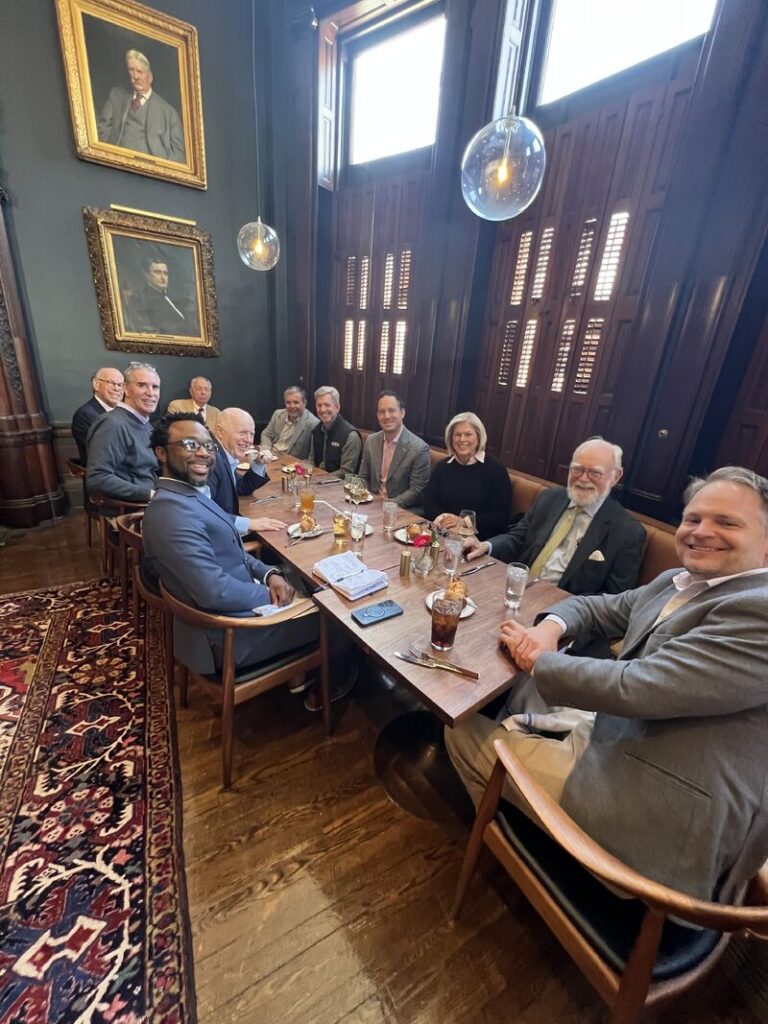
It started with an invitation. Murray Dalziel brought together a small group of leaders to talk about something that doesn’t get nearly enough attention: the role of entrepreneurship in shaping the future of our communities. That conversation stayed with me because entrepreneurship is personal for me…it took me from inner city Baltimore to opportunity. Innovation Works is on a mission to strengthen Baltimore’s future by bridging the racial and spatial wealth gap—backing entrepreneurs who are driving real, positive impact. While my own path was shaped by economic disadvantage, I’ve seen firsthand how lack of access to opportunity and mentorship can make it difficult to succeed. Under the leadership of founder, Frank Knott, and CEO, A. Jay Nwachu, they are connecting communities, entrepreneurs, and investors to build stronger local economies across the city. This is how you create lasting change. And this is why Murray’s convening leadership matters. He understands that progress doesn’t happen in isolation, it happens when you bring the right people into the room and start the right conversations. I’m grateful to have been part of it. Because Baltimore’s future will not be built by chance. It will be built by investing in opportunity—especially where it’s been overlooked. hashtag#leadership hashtag#resourcefulness